When it comes to selecting the appropriate core bit diameter for plumbing and electrical openings, understanding the specific requirements of your project is crucial. This guide will explore the importance of choosing the right core bit size, the factors that influence this decision, and tips for effective selection. Developed in collaboration with leading manufacturers, including a Diamond Core Drill Bits China factory, we aim to provide actionable insights designed to enhance your drilling effectiveness.
Understanding Core Bits and Their Applications
- What are Core Bits?
- Definition and function of core bits in drilling
- Difference between diamond core bits and regular drill bits
- Applications in plumbing and electrical installations
- Why Diameter Matters
- Impact of bit diameter on hole size and application
- Consideration of material thickness and types
- Common standards for plumbing and electrical conduit openings
Factors to Consider When Selecting Core Bit Diameter
- Material Type
- Concrete vs. brick vs. masonry: How material affects bit choice
- Guidelines for choosing the right bit based on material
- Diameter Requirements
- Standard diameters for various plumbing and electrical applications
- Adjusting diameter choice based on specific installation needs
- User Requirements
- Your project scope: outlining hole quantity and size
- Safety and efficiency considerations in core drilling
Steps for Selecting the Right Core Bit Diameter
- Step 1: Assess the Project Specifications
- Write down the required hole size and depth
- Evaluate the materials involved in your drilling project
- Step 2: Consult Industry Standards
- Refer to plumbing and electrical installation guidelines for core bit sizes
- Utilize reliable resources, such as the National Electrical Code (NEC) and plumbing codes
- Step 3: Review Manufacturer Specifications
- Compare options from reputable suppliers, including the Diamond Core Drill Bits China factory
- Evaluate user reviews and product ratings for performance insights
- Step 4: Make Your Selection
- Choose a core bit with the appropriate diameter for your requirements
- Consider future projects and versatile bit sizes for long-term use
- Step 5: Conduct Testing
- Test the chosen core bit on a similar material before full use
- Make adjustments if necessary and document findings for future reference
Common Mistakes to Avoid
- Overlooking the importance of material type in diameter selection
- Failing to consult standardized guidelines before purchasing
- Choosing a bit size based solely on equipment availability rather than project needs
Conclusion
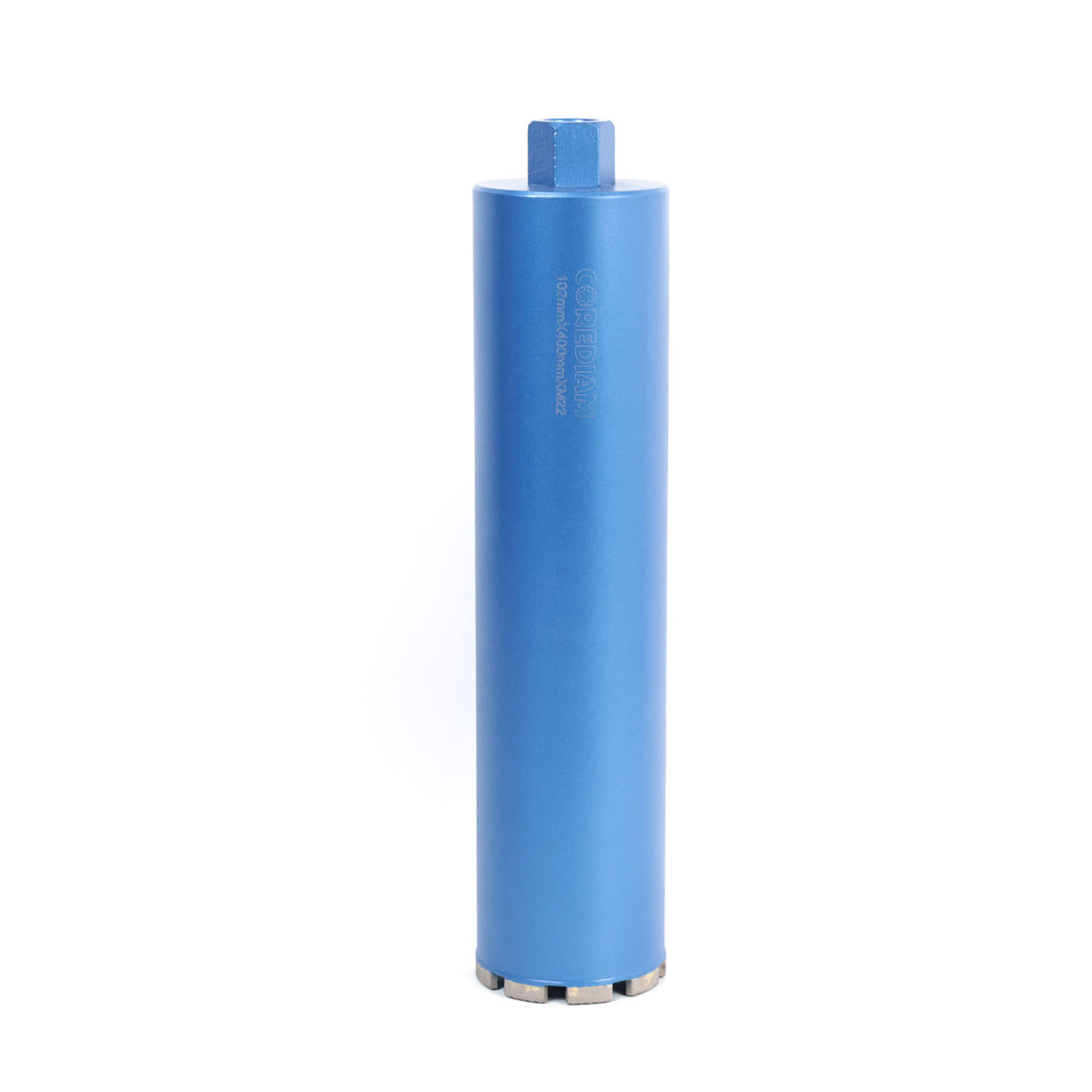
Selecting the right core bit diameter is integral to the success of plumbing and electrical installations. By considering factors such as material type, industry standards, and project specifications, you can make informed decisions that save time and resources. Don\'t hesitate to reach out to supplier professionals when in doubt, particularly those from established sources like Corediam. Additionally, for visual resources and further product information, you can view the image below:
With these insights, aim to enhance the accuracy and efficiency of your drilling operations!