If you\'re in the construction industry and often encounter reinforced concrete, choosing the right core drill bit bond is crucial. Specifically, you\'re likely seeking solutions to issues like drill durability, effectiveness in cutting through tough materials, and overall efficiency. The challenges can range from increased project timelines due to ineffective drilling tools to higher operational costs when using subpar equipment. This article aims to provide a comprehensive guide on selecting the appropriate core drill bit bond, ensuring that professionals like contractors and masons optimize their drilling processes.
Core drill bits are essential tools for cutting cylindrical holes in various hard materials, including reinforced concrete. The bond of a diamond core drill bit dictates its performance, which can significantly affect the drilling speed and efficacy. In the context of core drilling, a bond refers to the matrix material that holds the diamond particles together. The hardness and toughness of this bond determine how well the bit can perform under high-pressure scenarios typical of reinforced concrete work.
Key terminology relevant to the discussion of core drill bits includes: diamond bond, which refers to the composite material that encapsulates the diamond particles; segmented diamonds, which enhance the cutting surface; and core drilling, the process of removing a cylindrical section from a solid substance.
Various types of bonds exist, each suited for different applications in the construction field. These include soft bonds, medium bonds, and hard bonds, with each type exhibiting unique wear characteristics and performance metrics. For instance, soft bonds typically wear out faster but are ideal for softer materials, while hard bonds last longer but require more power for effective drilling in denser materials like reinforced concrete.
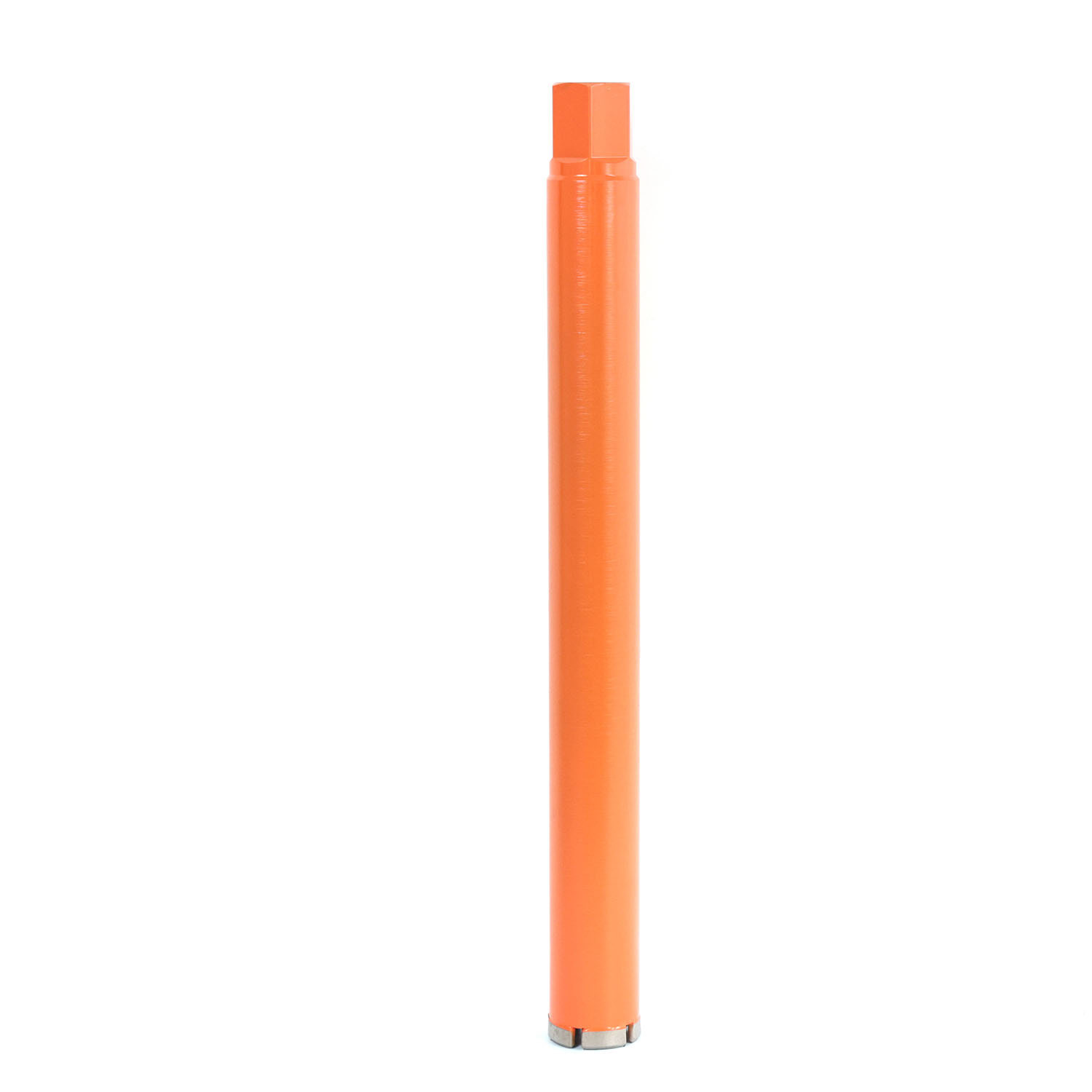
Begin by evaluating the specific type of reinforced concrete you will be drilling. If the concrete is mixed with aggregates or additives that enhance hardness, a harder bond is essential. Consider using the diamond core drill bits from Corediam, which offer various bond options tailored to diverse materials.
Consider the drilling environment, including whether wet or dry drilling is required. Wet drilling requires a bond that can endure the cooling effect of water but still maintain cutting efficiency. In contrast, dry drilling may necessitate a different bond structure to handle heat without external cooling.
Look at the specifications of the drill bits that meet your performance demands. For reinforced concrete, a good starting point would be a bit with a bond hardness rated between 7-9 on the Mohs scale. Corediam offers detailed specifications for their diamond core drill bits, ensuring that users can find a bit that meets their unique needs.
The drilling speed is often a pivotal factor in project timelines. The right bond can decrease drilling times by approximately 30% compared to inferior bits. Select bits designed for reinforced concrete explicitly and ensure they have been tested for performance under drilling conditions similar to yours.
Consult case studies or testimonials from other contractors who have used various bonds for reinforced concrete. For instance, a contractor using a medium bond core bit from Corediam reported a 25% increase in efficiency during a large-scale parking lot project.
The lifespan can vary significantly based on use conditions, but on average, a high-quality diamond core drill bit can last between 100 to 200 linear meters of drilling in reinforced concrete.
It\'s advisable to select bond types based on specific drilling requirements, as using one bond type for all projects can lead to inefficiencies and increased costs.
Indicators for replacement include reduced drilling speed, visible wear on the diamonds, or if the bit starts producing excessive heat during drilling.
For those looking to dive deeper into the mechanics of drilling, consider researching the physics of drilling mechanics and how variables like feed rate and rotation speed influence efficiency. Additionally, understanding how different aggregates used in concrete can affect bit performance will give you a competitive edge.
Choosing the right core drill bit bond for reinforced concrete is a critical step in ensuring efficient and effective drilling operations. Brands like Corediam provide a vast selection of high-performance diamond core drill bits suited for various concrete types and conditions. By carefully evaluating your project requirements and selecting the appropriate bond type, you can significantly reduce drilling times and costs. For a personalized recommendation, feel free to contact Corediam to discover the ideal solutions for your specific drilling needs.
Message Board-